


Scientific insights into how playing music improves cognitive abilities, memory, attention, and emotional intelligence.
Music Is More Than an Art Form
For centuries, music has been valued for its beauty and emotional power.
Today, neuroscience is revealing something even more remarkable: music also has a profound effect on the brain.
Learning to play an instrument is not only a creative activity.
It is also a complex mental workout that engages multiple areas of the brain at the same time.
Researchers have found that musical training can support:
- Memory
- Attention
- Language skills
- Executive function
- Emotional regulation
- Social connection
- Brain plasticity
These benefits are not limited to children.
Adults can also strengthen cognitive and emotional abilities through music.
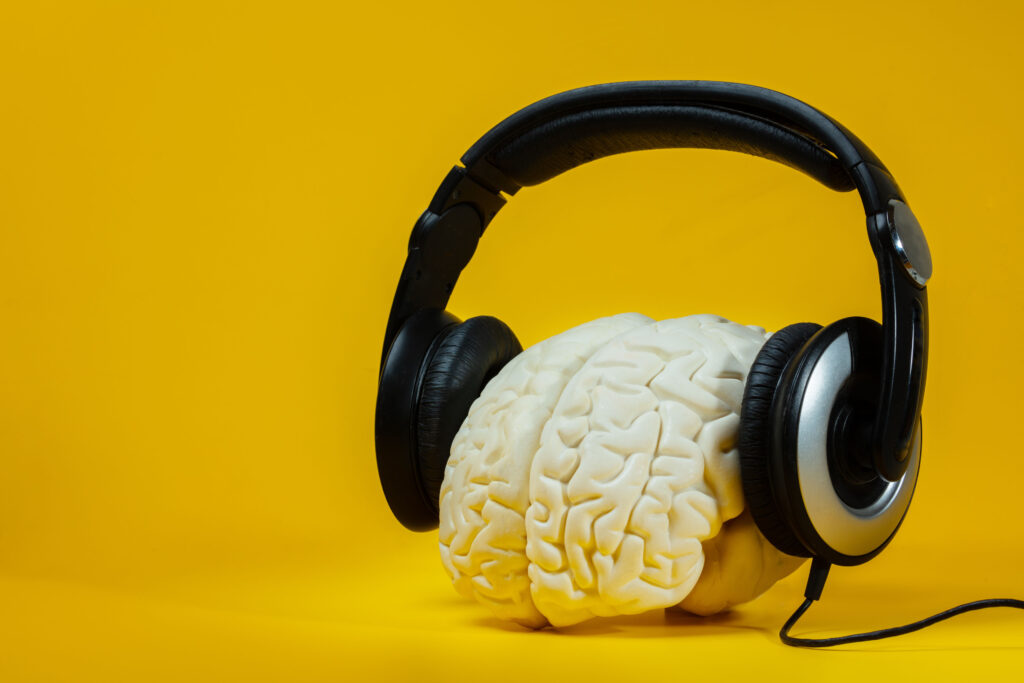
How Music Engages the Brain
When a person plays an instrument, the brain performs many tasks simultaneously.
It must:
- Read visual information
- Process sound
- Coordinate both hands
- Control fine motor movements
- Maintain rhythm
- Remember patterns
- Adjust timing
- Express emotion
Very few activities activate so many brain regions at once.
This is why many scientists describe musical training as one of the most comprehensive forms of cognitive exercise.
Benefits for Children
1. Improved Memory
Children who study music often practice remembering melodies, rhythms, finger patterns, and entire pieces.
This repeated mental exercise can strengthen working memory and long-term memory.
Memory skills developed through music may also support learning in other subjects, such as reading and mathematics.
2. Better Attention and Concentration
Playing an instrument requires sustained focus.
A child must listen carefully, follow instructions, and coordinate movements in real time.
Over time, this can improve the ability to concentrate during schoolwork and other tasks.
3. Stronger Language Skills
Music and language share important processing systems in the brain.
Research suggests that musical training may help children:
- Recognize sound patterns
- Distinguish speech sounds
- Improve pronunciation
- Develop reading skills
Rhythm and pitch perception are especially connected to language development.
4. Enhanced Mathematical Thinking
Music contains patterns, timing, fractions, sequences, and structure.
Learning rhythm often involves understanding divisions of time, such as halves, quarters, and eighths.
While music does not automatically make a child better at mathematics, it can strengthen pattern recognition and logical thinking.
5. Emotional Intelligence
Music helps children recognize and express emotions.
Through listening and performing, they learn to identify feelings such as:
- Joy
- Sadness
- Excitement
- Calmness
- Tension
- Relief
This emotional awareness can support empathy and social understanding.
Benefits for Adults
Many people assume that music education is only valuable during childhood.
In reality, adults can also benefit significantly from learning an instrument.
1. Brain Plasticity
The adult brain remains capable of forming new neural connections.
Learning music challenges the brain to adapt, which may help maintain cognitive flexibility.
2. Memory Support
Practicing music requires remembering notes, rhythms, finger positions, and musical structure.
This can provide ongoing mental stimulation.
3. Stress Reduction
Playing music can be deeply relaxing.
Many adults report reduced stress and improved mood after regular musical practice.
Music engages both attention and emotion, creating a break from daily mental pressure.
4. Improved Coordination
Instruments such as piano, guitar, violin, and drums require precise coordination between hands, eyes, ears, and body movement.
This can help maintain fine motor skills.
5. Lifelong Learning
Learning music as an adult provides a sense of progress and achievement.
It keeps the mind active and engaged.
What Science Suggests
Research in neuroscience and psychology has found associations between musical training and:
| Area | Possible Benefit |
|---|---|
| Memory | Improved recall and working memory |
| Attention | Better sustained focus |
| Language | Enhanced sound processing |
| Executive function | Planning and self-control |
| Motor skills | Hand-eye coordination |
| Emotion | Better emotional awareness |
| Social skills | Cooperation in ensembles |
It is important to note that music is not a magic shortcut.
Benefits usually appear through regular, meaningful practice over time.
Why Playing Music Is Especially Powerful
Passive listening is valuable.
Active participation is even more powerful.
When a person plays music, they are simultaneously:
- Listening
- Moving
- Remembering
- Predicting
- Adjusting
- Expressing emotion
This combination makes musical practice a uniquely rich learning activity.
Music and Emotional Development
One of the most important benefits of music is emotional development.
Music allows people to:
- Express feelings that are difficult to describe with words
- Develop empathy by interpreting emotional expression
- Build confidence through performance
- Experience cooperation in group music-making
- Develop patience and resilience through practice
These qualities are increasingly important in modern education and professional life.
How Much Practice Is Needed?
Many people imagine that only professional-level practice produces benefits.
That is not true.
Consistent, moderate practice can still be valuable.
Even:
- 15–20 minutes a day
- Several times a week
- Focused listening exercises
- Simple instrument practice
can provide meaningful mental engagement.
Music as Part of Future Education
Modern education increasingly emphasizes:
- Creativity
- Critical thinking
- Collaboration
- Emotional intelligence
- Adaptability
Music naturally supports all of these areas.
It combines intellectual challenge with emotional expression.
It develops discipline while remaining deeply human and enjoyable.
Final Thoughts
Music is far more than entertainment.
It is a powerful form of brain training, emotional development, and lifelong learning.
For children, musical education can support memory, attention, language, coordination, and emotional intelligence.
For adults, learning or practicing music can keep the mind active, reduce stress, and provide a meaningful creative outlet.
You do not need to become a professional musician to benefit.
Even simple, regular engagement with music can enrich both the brain and emotional life.
In a world that increasingly values creativity, adaptability, and human connection, music may be one of the most valuable educational tools we have.
Related Posts
How to Start Listening to Classical Music Without Any Background
A beginner-friendly guide to overcoming the fear of “difficult art” and learning to genuinely enjoy…
5 Orchestral Works Every Beginner Should Hear
A selection of vivid, emotional, and accessible masterpieces that reveal the full power and beauty…

From Hobby to Stage: How to Recognize and Nurture Musical Talent in Your Child
Practical advice for parents on identifying musical potential, choosing the right instrument, and helping children…