


Practical advice for parents on identifying musical potential, choosing the right instrument, and helping children develop a lifelong love of music.
Every Musical Journey Begins with Curiosity
Many parents wonder whether their child has musical talent.
Perhaps your son taps rhythms on the kitchen table all day, or your daughter sings every song she hears after only one listen. Maybe your child becomes completely absorbed whenever music is playing, dancing instinctively or pretending to conduct an imaginary orchestra.
These moments often raise an important question:
“Should we encourage this interest, or is it just a passing phase?”
The truth is that very few children are born as musical prodigies. Most successful musicians began with something much simpler: curiosity, enjoyment, and consistent encouragement from adults who recognized their interest.
Supporting a child’s musical development isn’t about creating the next concert pianist or famous violinist. It’s about helping them discover a creative outlet that can enrich their confidence, discipline, emotional intelligence, and cognitive development for years to come.
This guide will help parents recognize early signs of musical potential, decide when to begin formal lessons, choose a suitable first instrument, and encourage progress without turning music into a source of pressure.
What Is Musical Talent?
Many people imagine musical talent as a rare gift that only a few children possess.
In reality, musical ability is a combination of several qualities that develop over time.
These include:
- A sense of rhythm
- Musical memory
- Pitch recognition
- Curiosity about sounds
- Willingness to practice
- Creativity
- Emotional expression
Natural ability can certainly help, but consistent practice and a supportive environment often matter far more than innate talent alone.
Some children learn quickly.
Others progress gradually.
Both paths can lead to meaningful musical achievement.
Early Signs of Musical Interest
Children express musical curiosity in many different ways.
Some common signs include:
Strong Sense of Rhythm
Your child naturally claps along with songs, keeps a steady beat, or invents rhythmic patterns while playing.
Singing Frequently
They enjoy singing throughout the day and can remember melodies after hearing them only a few times.
Sensitivity to Sound
They notice differences between instruments, recognize familiar songs quickly, or react emotionally to music.
Curiosity About Instruments
They ask questions about pianos, guitars, violins, drums, or other instruments and want to experiment with them.
Long Attention During Musical Activities
Unlike other activities that quickly lose their interest, music keeps their attention for extended periods.
None of these signs alone guarantee exceptional musical ability, but together they suggest that further exploration may be worthwhile.
Does Every Child Need Music Lessons?
Not necessarily.
Some children simply enjoy listening to music or singing casually.
Others develop a deeper interest that naturally leads toward learning an instrument.
The most important factor is the child’s enthusiasm.
Lessons should build on genuine curiosity rather than parental expectations.
A child who wants to learn will usually progress much faster than one who feels forced.
When Is the Right Age to Start?
There is no universal “perfect age.”
Different instruments suit different stages of physical and cognitive development.
Ages 3–5
Young children can benefit from:
- Musical games
- Singing
- Rhythm exercises
- Movement activities
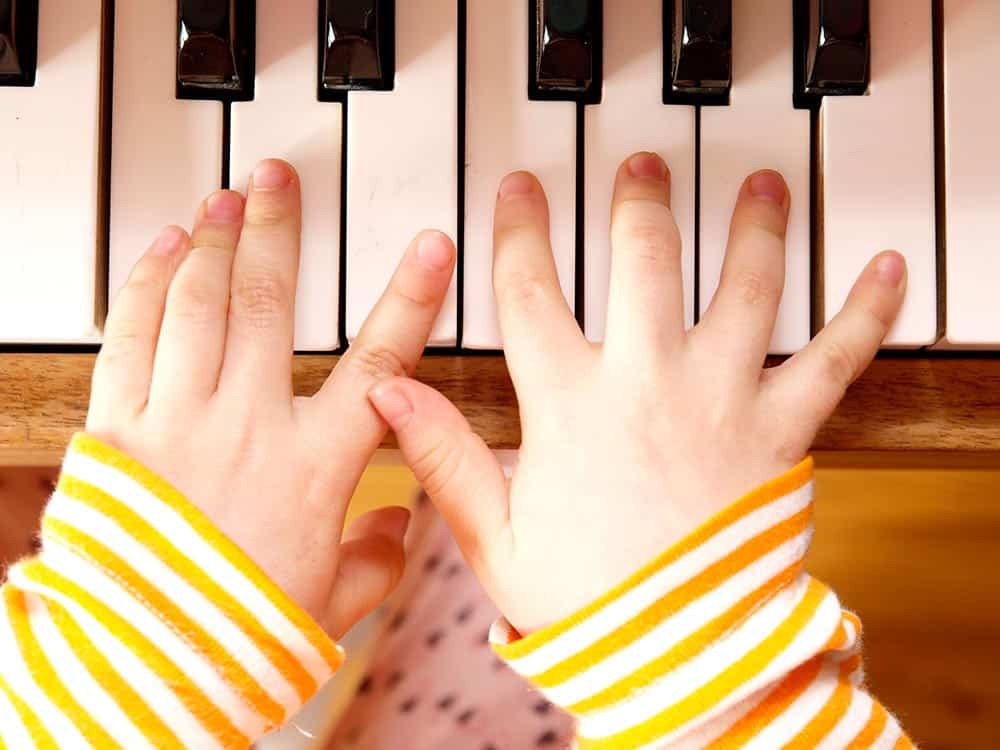
- Basic keyboard exploration
The emphasis should remain playful.
Ages 5–7
Many children are ready for introductory lessons on:
- Piano
- Violin
- Recorder
- Ukulele
At this stage, attention span and hand coordination begin to improve.
Ages 7–10
Children often develop the patience needed for more structured learning.
They may successfully begin:
- Guitar
- Flute
- Clarinet
- Trumpet
- Cello
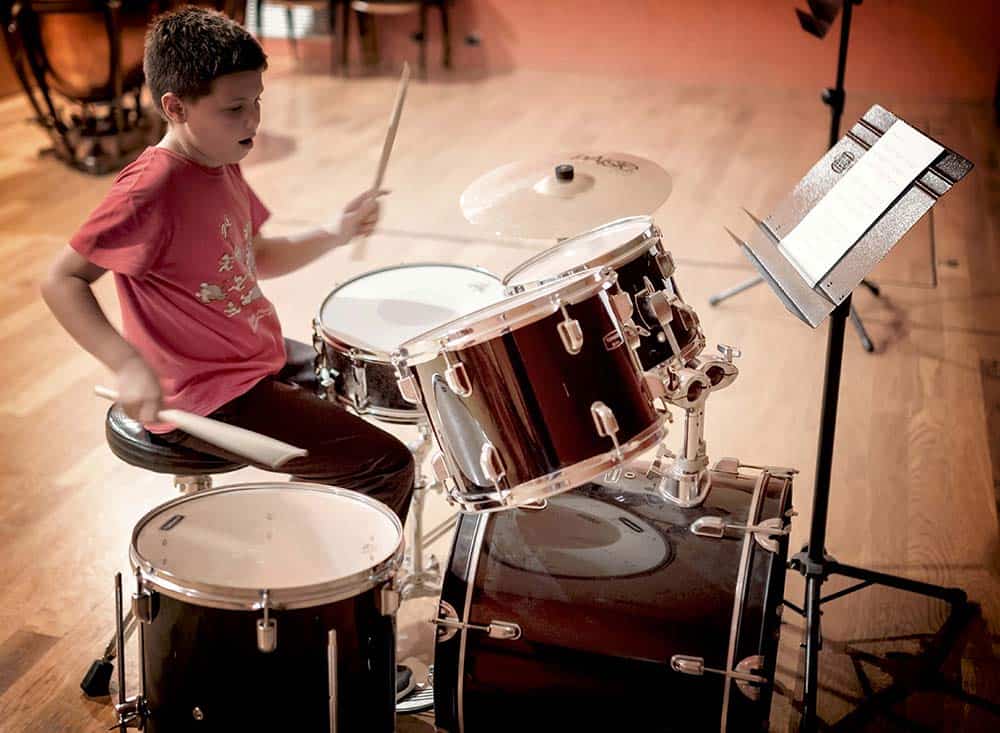
- Percussion
Older Beginners
It is never too late.
Many outstanding musicians began well after childhood.
Motivation frequently matters more than age.
Choosing the First Instrument
Selecting the right instrument is one of the most important decisions.
Avoid choosing solely based on popularity or your own preferences.
Instead, consider:
- The child’s interests
- Physical size
- Hand strength
- Personality
- Available practice space
- Budget
Let’s look at some common options.
Piano
The piano is often recommended as a first instrument because it provides an excellent foundation in music.
Benefits include:
- Clear visual layout
- Melody and harmony together
- Strong music theory foundation
- Suitable for many musical styles
Piano also helps children understand musical structure before moving to other instruments.
Violin
The violin develops:
- Excellent listening skills
- Fine motor coordination
- Musical discipline
It requires patience because producing a beautiful tone takes time.
Children who enjoy challenges often thrive with the violin.
Guitar
Guitar is popular because it allows children to play familiar songs relatively quickly.
It encourages:
- Creativity
- Accompaniment skills
- Independent learning
For many teenagers, guitar becomes a lifelong hobby.
Drums and Percussion
Children with strong rhythmic instincts often enjoy percussion.
Benefits include:
- Coordination
- Timing
- Energy
- Group performance opportunities
Percussion can be especially rewarding for active children.
Wind Instruments
Flute, clarinet, saxophone, and trumpet introduce children to:
- Breath control
- Tone production
- Ensemble performance
These instruments are often available through school bands and youth orchestras.
Should You Buy an Expensive Instrument?
Many parents believe that better instruments automatically produce better results.
This isn’t always true.
For beginners:
- Rent when possible.
- Choose reliable student models.
- Upgrade only after consistent interest develops.
A high-quality practice routine matters far more than an expensive instrument.
Is Music School Necessary?
Formal music schools offer:
- Qualified teachers
- Structured learning
- Performance opportunities
- Ensemble experience
- Music theory education
However, they aren’t the only path.
Private lessons, community music programs, online instruction, and local youth orchestras can also provide excellent education.
The best environment is one where your child feels encouraged rather than overwhelmed.
The Parent’s Role
Parents play a crucial role in musical development.
Supportive parents typically:
- Encourage regular practice
- Celebrate progress
- Attend performances
- Provide emotional support
- Help establish routines
They focus on effort rather than perfection.
Children thrive when they feel supported instead of judged.
Avoid Turning Practice into Punishment
One of the biggest mistakes parents make is treating music practice like a chore.
Instead of saying:
“You have to practice for an hour.”
Try:
“Let’s see if you can master this new piece today.”
Small, achievable goals build motivation.
Consistency is more valuable than long, exhausting practice sessions.
Even 20–30 focused minutes each day can produce excellent progress.

Performance Builds Confidence
Recitals and concerts aren’t only about musical ability.
They teach children valuable life skills:
- Confidence
- Preparation
- Public speaking
- Emotional resilience
- Goal setting
Mistakes are part of learning.
Every performance becomes an opportunity for growth.
Celebrate courage, not perfection.
Signs Your Child Is Losing Motivation
Watch for indicators that music is becoming stressful.
These may include:
- Frequent excuses to avoid practice
- Anxiety before lessons
- Frustration after small mistakes
- Loss of interest in favorite songs
- Complaints about constant pressure
If this happens:
- Reduce expectations temporarily.
- Introduce fun repertoire.
- Allow occasional breaks.
- Discuss goals openly.
- Focus on enjoyment again.
Preserving a lifelong love of music is more important than short-term progress.
Balancing Discipline and Enjoyment
Learning music requires regular practice.
However, discipline should never eliminate joy.
Healthy musical education combines:
- Structured lessons
- Creative exploration
- Favorite songs
- Ensemble playing
- Listening to inspiring performances
- Opportunities for improvisation
Children learn best when challenge and enjoyment exist together.
Common Mistakes Parents Should Avoid
Many well-intentioned parents accidentally discourage musical growth.
Avoid these common pitfalls:
- Comparing your child with others.
- Expecting rapid progress.
- Choosing an instrument without consulting your child.
- Criticizing mistakes instead of encouraging improvement.
- Scheduling too many activities, leaving little time for practice.
- Focusing only on competition or exam results.
- Using music lessons as a punishment or obligation.
- Quitting too quickly when progress slows.
Learning an instrument is a marathon, not a sprint.
Practical Checklist for Parents
Before beginning your child’s musical journey, consider the following:
Interest
✔ Does your child genuinely enjoy music?
✔ Are they curious about instruments?
Readiness
✔ Can they concentrate for short periods?
✔ Do they enjoy learning new skills?
Instrument
✔ Is the instrument age-appropriate?
✔ Does your child like its sound?
✔ Is regular practice realistic at home?
Learning Environment
✔ Is the teacher encouraging?
✔ Are lessons enjoyable?
✔ Is progress celebrated?
Long-Term Success
✔ Focus on consistency rather than perfection.
✔ Encourage curiosity.
✔ Support practice without pressure.
✔ Remember that enjoyment is the foundation of lifelong learning.
Final Thoughts
Every accomplished musician began as a beginner, and every musical journey starts with a single moment of curiosity. While some children display natural musical abilities early, lasting success rarely depends on talent alone. It grows through encouragement, patience, regular practice, and the freedom to enjoy the learning process.
As a parent, your role is not to create perfection but to create opportunity. Help your child explore different instruments, find inspiring teachers, celebrate small achievements, and view mistakes as part of learning rather than signs of failure. When music becomes a source of joy instead of pressure, children are far more likely to develop confidence, creativity, and a lifelong appreciation for the arts.
Whether your child eventually performs on a concert stage or simply enjoys playing at home, the skills they gain—discipline, perseverance, emotional expression, and self-confidence—will benefit them far beyond music itself. By nurturing their interest with patience and support, you’re investing not only in a hobby but in their personal growth for years to come.
Related Posts
The Future of Education: How Music Develops the Brain in Children and Adults
Scientific insights into how playing music improves cognitive abilities, memory, attention, and emotional intelligence. Music…
How to Start Listening to Classical Music Without Any Background
A beginner-friendly guide to overcoming the fear of “difficult art” and learning to genuinely enjoy…
5 Orchestral Works Every Beginner Should Hear
A selection of vivid, emotional, and accessible masterpieces that reveal the full power and beauty…