


A selection of vivid, emotional, and accessible masterpieces that reveal the full power and beauty of a live orchestra.
The Orchestra as a Living Instrument
One of the most magical discoveries in classical music is the sound of a full orchestra.
Dozens of musicians play together, creating colors that no single instrument can produce alone.
For beginners, the orchestra can feel overwhelming at first.
So where should you start?
The best entry pieces are memorable, emotional, dramatic, and easy to follow.
These five works are excellent starting points because they immediately demonstrate why orchestral music has fascinated listeners for centuries.
1. Beethoven — Symphony No. 5 in C Minor, First Movement
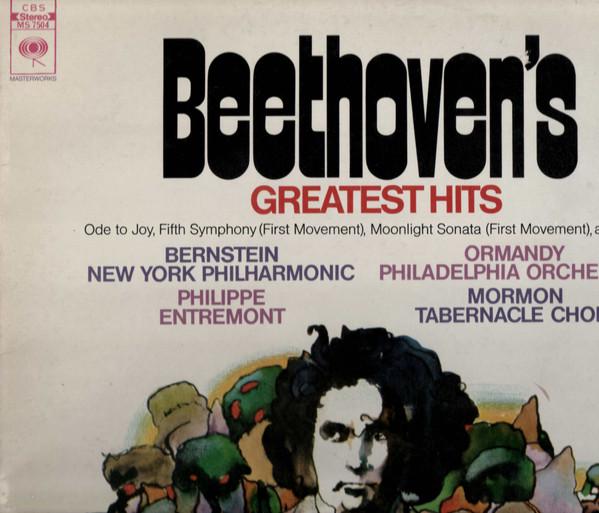
Why start here?
This may be the most famous opening in all of classical music.
The four-note motif is instantly recognizable and creates immediate energy.
What to listen for
- The famous opening rhythm
- The dramatic contrast between loud and soft
- The feeling of struggle and triumph
- The full orchestra entering with power
Why beginners love it
It is direct, exciting, and unforgettable.
You do not need any musical knowledge to feel its intensity.
2. Vivaldi — The Four Seasons: Spring
Why start here?
This piece is bright, joyful, and full of vivid musical images.
You can almost hear birds singing and nature waking up.
What to listen for
- The lively violin solo
- The sparkling orchestral accompaniment
- The feeling of movement and freshness
- The conversation between soloist and orchestra
Why beginners love it
It feels immediate and cheerful.
Many listeners recognize parts of it from films, advertisements, or popular culture.
3. Tchaikovsky — Swan Lake, Main Theme
Why start here?
This is orchestral storytelling at its most emotional.
The melody is beautiful, dramatic, and easy to remember.
What to listen for
- The sweeping string melody
- The rich orchestral texture
- The feeling of elegance and longing
- The way the orchestra supports the melody
Why beginners love it
It feels cinematic.
Even without seeing the ballet, the music creates a vivid emotional atmosphere.
4. Dvořák — Symphony No. 9 “From the New World”, Largo
Why start here?
This movement is warm, noble, and deeply moving.
It introduces the orchestra in a gentle and spacious way.
What to listen for
- The famous English horn melody
- The calm orchestral background
- The feeling of distance and nostalgia
- The gradual expansion of the sound
Why beginners love it
It is emotional without being overwhelming.
Many listeners describe it as peaceful and uplifting.
5. Ravel — Boléro
Why start here?
Boléro is one of the clearest demonstrations of orchestral color.
The same melody repeats while different instruments take turns playing it.
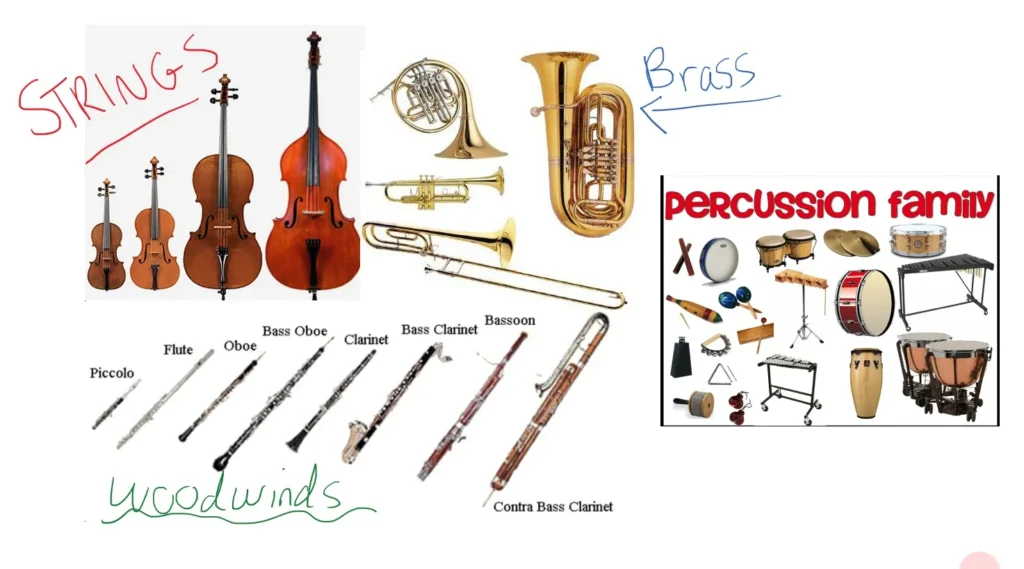
What to listen for
- Flute
- Clarinet
- Bassoon
- Saxophone
- Trumpet
- Strings
- The gradual increase in volume
- The final explosive climax
Why beginners love it
It is easy to follow because the melody stays the same.
The excitement comes from hearing the orchestra grow larger and more powerful.
How to Listen to These Pieces
For each work:
- Listen once without reading anything.
- Listen again and focus on one instrument.
- Listen a third time and notice how the music changes.
You do not need to listen to the entire symphony immediately.
Start with the recommended movement or theme.
A Beginner’s Listening Order
| Order | Piece | Mood |
|---|---|---|
| 1 | Vivaldi — Spring | Joyful |
| 2 | Beethoven — Symphony No. 5 | Dramatic |
| 3 | Tchaikovsky — Swan Lake | Emotional |
| 4 | Dvořák — New World Symphony, Largo | Peaceful |
| 5 | Ravel — Boléro | Exciting |
What Makes the Orchestra Special
As you listen, notice how different sections contribute:
- Strings — warmth and melody
- Woodwinds — color and character
- Brass — power and brilliance
- Percussion — rhythm and excitement
The orchestra is not just loud.
It is capable of whispering, singing, dancing, and exploding with energy.
Final Thoughts
If you are new to orchestral music, these five works offer an ideal beginning.
They are emotional, memorable, and accessible.
Most importantly, they reveal the orchestra as a living, breathing instrument capable of enormous beauty and power.
Start with one piece.
Listen more than once.
Then let your curiosity lead you further.
Related Posts

The Future of Education: How Music Develops the Brain in Children and Adults
Scientific insights into how playing music improves cognitive abilities, memory, attention, and emotional intelligence. Music…
How to Start Listening to Classical Music Without Any Background
A beginner-friendly guide to overcoming the fear of “difficult art” and learning to genuinely enjoy…

From Hobby to Stage: How to Recognize and Nurture Musical Talent in Your Child
Practical advice for parents on identifying musical potential, choosing the right instrument, and helping children…