


Why people continue buying concert tickets despite having millions of songs available instantly on their smartphones.
Unlimited Music, Yet Sold-Out Concerts
Never before has music been so accessible.
With a smartphone and an internet connection, listeners can instantly access millions of songs from every genre, every era, and almost every artist.
Algorithms recommend personalized playlists.
Streaming platforms learn our preferences.
Artificial intelligence suggests new favorites before we even search for them.
Yet something unexpected has happened.
Instead of replacing concerts, digital technology has made live performances more popular than ever.
Why?
Because listening and experiencing are not the same thing.
Music Is More Than Sound
Streaming delivers audio.
Concerts deliver presence.
When attending a live performance, audiences experience:
- The anticipation before the first note
- The atmosphere of the venue
- The reactions of other listeners
- The visual performance
- The spontaneity of live interpretation
These elements cannot be compressed into digital files.
Imperfection Makes Live Music Beautiful
Studio recordings are polished.
Every note can be corrected.
Timing can be adjusted.
Mistakes disappear.
Concerts are different.
Every performance is unique.
Musicians respond to:
- The audience
- The venue
- Their emotions
- The conductor
- Unexpected moments
These small imperfections make live performances authentic.
No two concerts are ever exactly alike.
Shared Moments Cannot Be Streamed
Imagine hearing an orchestra reach a breathtaking climax.
At that exact moment:
Thousands of people inhale together.
Silence fills the hall.
Then applause erupts.
This emotional synchronization creates memories that individual listening rarely matches.
The audience becomes part of the music.
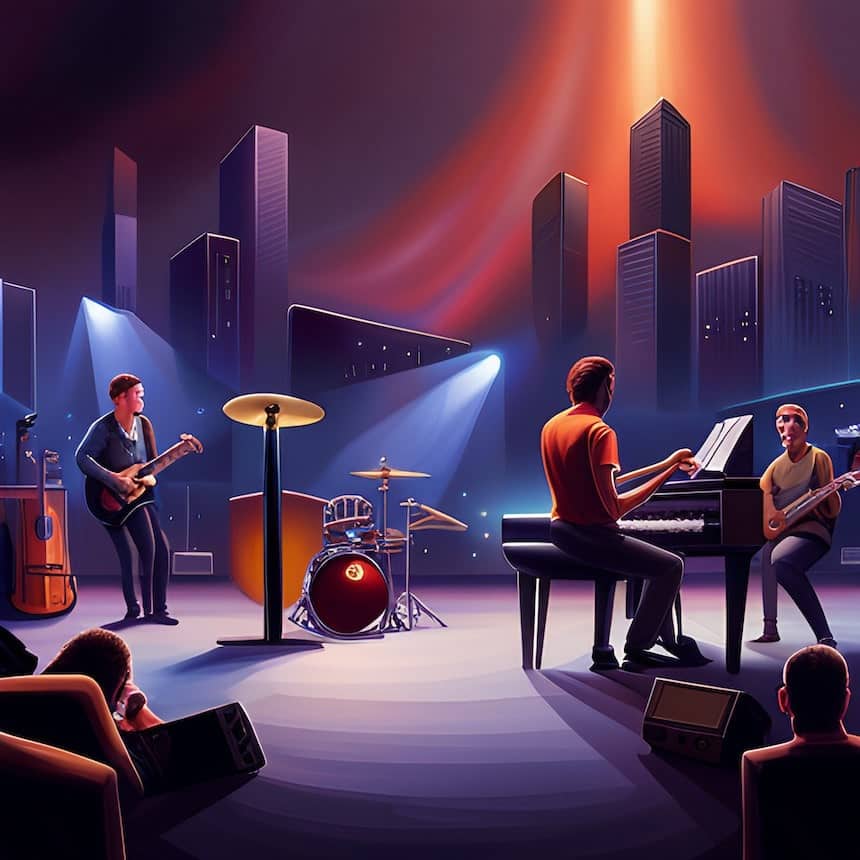
Algorithms Recommend—They Don’t Feel
Streaming services analyze:
- Listening history
- Search behavior
- Skipped tracks
- Favorite artists
They become increasingly accurate.
But algorithms cannot replicate:
- Human anticipation
- Eye contact between musicians
- The excitement of live applause
- Collective emotion
- Physical presence
Technology predicts preferences.
It cannot reproduce shared human experience.
The Physical Power of Live Sound
Concert sound is felt as much as heard.
Listeners experience:
- Vibrations
- Resonance
- Dynamic contrasts
- Spatial sound
- Natural acoustics
Large orchestras and live bands create physical sensations impossible to duplicate through headphones alone.
The body participates alongside the ears.
Concerts Create Lasting Memories
Years later, people rarely remember:
“I streamed that playlist on Tuesday.”
Instead, they remember:
- Their first symphony.
- A favorite encore.
- A standing ovation.
- Singing with thousands of strangers.
- A breathtaking solo.
Experiences become memories.
Files rarely do.
Live Music Encourages Presence
Concert etiquette naturally promotes mindfulness.
Phones are silenced.
Attention focuses entirely on the stage.
People stop multitasking.
For a short time, they experience complete presence.
In today’s distracted world, that alone is increasingly valuable.
Artists Need Audiences
Music has always been a dialogue.
Performers influence audiences.
Audiences influence performers.
Applause, laughter, silence, and energy shape interpretation.
Without listeners physically present, something essential disappears.
Live performance is collaboration.
Digital Technology and Concerts Can Coexist
Streaming is not the enemy of live music.
In fact, the two often strengthen each other.
Streaming helps people:
- Discover artists
- Explore new genres
- Prepare for concerts
- Revisit favorite performances afterward
Technology expands access.
Concerts deepen emotional connection.
Each serves a different purpose.
Why We Keep Buying Tickets
People purchase concert tickets because they are investing in something impossible to download:
A shared moment.
A unique performance.
A room filled with emotion.
An experience that exists only once.
Once the final note fades, it can never be repeated exactly the same way again.
That uniqueness gives live music its enduring value.
Looking Toward the Future
Artificial intelligence will continue transforming music discovery.
Virtual reality may create increasingly immersive experiences.
Streaming quality will improve.
Personalization will become even more sophisticated.
Yet the essential human desire to gather, listen, celebrate, and feel together is unlikely to disappear.
Technology evolves.
Human emotion remains remarkably constant.
Final Thoughts
The digital revolution has changed how we discover, access, and enjoy music, but it has not diminished the importance of live performance. If anything, the convenience of streaming has made authentic, shared experiences even more valuable.
Concerts offer something that algorithms, playlists, and even the most advanced technology cannot replicate: genuine human presence. They allow performers and audiences to create something together that exists only in that moment, shaped by emotion, atmosphere, spontaneity, and connection.
As long as people continue seeking experiences rather than simply content, live music will remain irreplaceable. We may carry millions of songs in our pockets, but we will always seek the unforgettable feeling of hearing those songs come alive in a room filled with others who are sharing the exact same moment.
Related Posts
A Musical Bridge: How Shared Concerts Bring Parents and Children Closer Together
Why live music creates one of the most powerful spaces for understanding between generations—and how…
The Power of Musical Communities: Why People Search for “Their People” at Concerts
Exploring the psychology behind music communities and how shared emotional experiences transform strangers into lifelong…