


Discover the hidden world backstage just moments before a live performance—from final instrument tuning and quiet rituals to stage fright and the conductor’s first gesture.
The Quiet Before the Music
For the audience, a concert begins when the orchestra walks onto the stage.
For the musicians, however, the performance has already begun long before that moment.
Backstage, the atmosphere is unlike any other.
It is a fascinating combination of calm concentration, nervous energy, last-minute preparation, and silent communication.
The final five minutes before the curtain rises are filled with small rituals that help transform months of rehearsal into a single unforgettable performance.
Every Musician Has a Personal Routine
Professional musicians often develop habits that help them focus.
Some prefer complete silence.
Others quietly review difficult passages in the score.
Some stretch their hands and shoulders.
Others close their eyes and breathe deeply.
These routines vary from person to person, but they all serve the same purpose:
Preparing both mind and body for performance.
The Last Instrument Check
Even after extensive rehearsals, instruments require one final inspection.
Musicians check:
- Strings
- Bows
- Reeds
- Mouthpieces
- Valve movement
- Drum tension
- Sheet music placement
A tiny adjustment backstage can prevent problems during the concert.
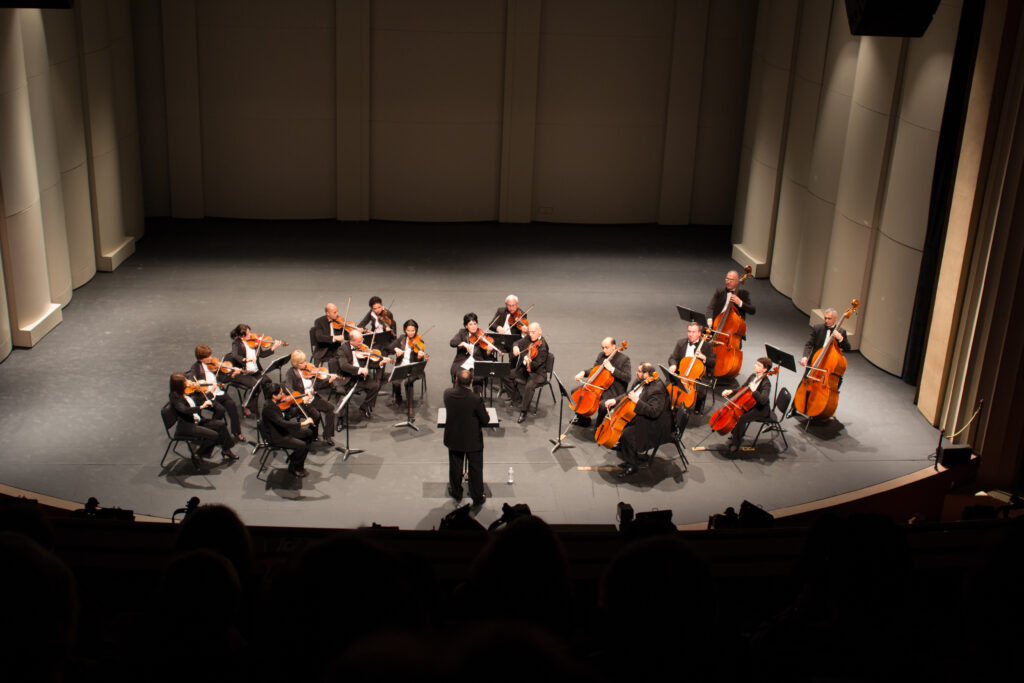
The Familiar Sound of Tuning
Before audiences settle into silence, another familiar sound fills the backstage area.
Individual musicians quietly test notes.
Violinists check intonation.
Woodwind players warm their reeds.
Brass players play soft long tones.
Percussionists verify stick placement.
It may sound chaotic to an outsider.
To musicians, it is a language of preparation.
Managing Stage Fright
Even world-famous performers experience nervousness.
Stage fright is not a sign of weakness.
It is often evidence that the performance truly matters.
Musicians manage anxiety through:
- Deep breathing
- Positive visualization
- Mental rehearsal
- Physical relaxation
- Experience
Many performers learn to transform nervous energy into artistic intensity.
The Stage Manager’s Countdown
While musicians prepare mentally, backstage staff coordinate every detail.
The stage manager confirms:
- Timing
- Lighting
- Stage entrances
- Microphones
- Seating
- Communication with technical crews
Then comes the familiar announcement:
“Five minutes.”
Every department becomes fully focused.
Silent Communication
Backstage conversations become shorter.
Many musicians exchange only brief smiles or nods.
No long speeches are necessary.
Months of rehearsal have built trust.
Everyone understands their role.
The Conductor’s Final Preparation
The conductor also follows personal routines.
Some study the opening pages of the score one final time.
Others spend a quiet moment alone.
Many mentally hear the first notes before stepping onto the podium.
The conductor’s role extends beyond keeping time.
They set the emotional atmosphere for the entire orchestra.
Walking Toward the Stage
As the orchestra lines up, the atmosphere changes.
The nervous anticipation becomes focused energy.
Musicians enter one by one.
The audience applauds.
Each performer acknowledges the welcome before taking their seat.
Everything now appears calm.
Yet only moments earlier, backstage was filled with intense preparation.
The Universal A
One of the most recognizable traditions follows.
The principal oboist plays the note A.
The orchestra tunes together.
This brief moment symbolizes unity.
Dozens of individual musicians become one ensemble.
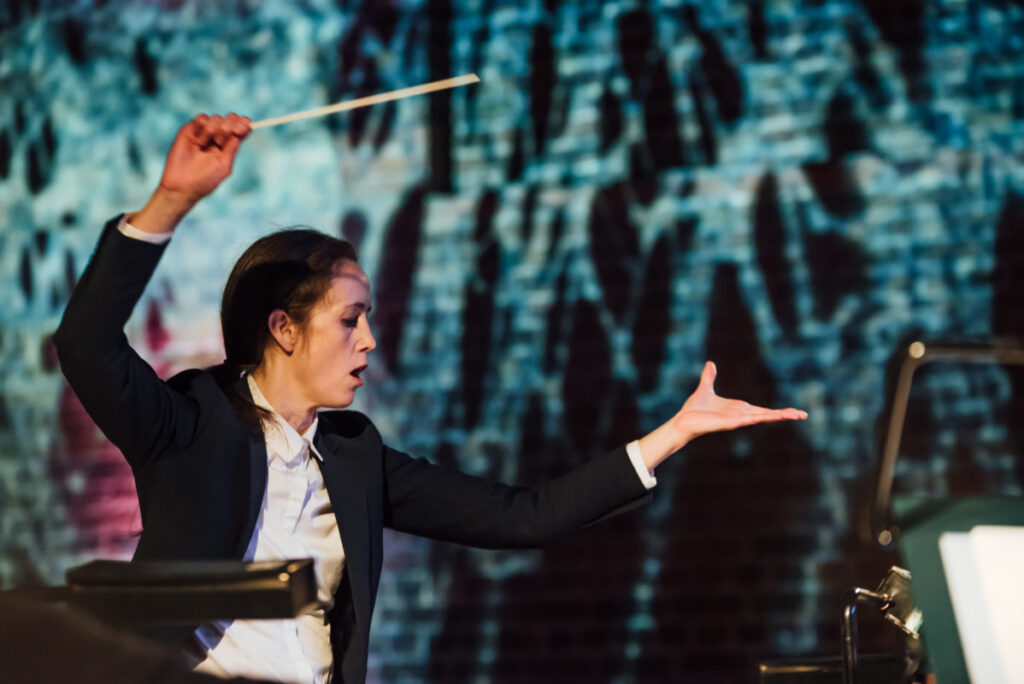
The First Gesture
The conductor enters.
Applause fills the hall.
Then silence.
The baton rises.
For a brief instant, hundreds—or even thousands—of people share complete stillness.
One gesture transforms silence into music.
Months of planning, rehearsals, and preparation finally become sound.
Why Audiences Never See the Full Picture
The audience experiences beauty.
Backstage teams experience responsibility.
Musicians experience concentration.
Conductors experience leadership.
Technicians experience precision.
Every successful concert depends upon this invisible world operating perfectly together.
Lessons Beyond Music
The moments before a performance reveal valuable lessons applicable far beyond the concert hall.
Preparation creates confidence.
Discipline supports creativity.
Teamwork makes individual excellence possible.
Success is often built in the quiet moments before anyone is watching.
Final Thoughts
The five minutes before an orchestra steps onto the stage may be invisible to the audience, but they are among the most meaningful moments of the entire performance. Behind the curtain, every musician is balancing concentration, anticipation, and excitement while making final adjustments that ensure the concert unfolds as planned.
These quiet rituals, careful preparations, and shared traditions remind us that extraordinary performances are rarely spontaneous. They are the result of dedication, countless hours of rehearsal, mutual trust, and a deep commitment to excellence.
When the conductor finally raises the baton and the first note fills the hall, the audience hears only the music. Yet behind that single moment lies a remarkable story of preparation, teamwork, and passion—a story that begins long before the curtain rises and continues long after the final applause.
Related Posts
Behind the Festival: How a Large-Scale Music Event Comes to Life
An inside look at the months of preparation hidden behind every successful music festival—from artist…

How the Venue Changes the Way We Experience Music
Why architecture, acoustics, and atmosphere shape not only what we hear, but also how we…