


Why architecture, acoustics, and atmosphere shape not only what we hear, but also how we feel during a live performance.
Music Never Exists in Isolation
A piece of music can sound completely different depending on where it is performed.
The same orchestra playing the same composition may create entirely different emotions in:
- A centuries-old cathedral
- A modern concert hall
- An open-air festival
- A historic theater
- A city square
- An intimate chamber venue
Why?
Because music is experienced not only through sound but through space.
Architecture, lighting, audience proximity, natural surroundings, and acoustics all influence how we perceive a performance.
The venue becomes an invisible member of the ensemble.
Acoustics: The Architecture of Sound
Acoustics describe how sound behaves within a space.
Every room reflects, absorbs, and shapes sound differently.
Factors include:
- Ceiling height
- Wall materials
- Room size
- Surface textures
- Seating arrangement
- Building geometry
Even small architectural differences can dramatically change the listening experience.
The Magic of Cathedrals and Churches
Sacred buildings have fascinated musicians for centuries.
High ceilings and stone walls create long reverberation, allowing notes to linger beautifully in the air.
This makes churches especially suitable for:
- Choirs
- Organ music
- Sacred works
- Slow orchestral compositions
The natural echo adds a sense of grandeur and spirituality.
Silence itself becomes part of the performance.
Modern Concert Halls
Purpose-built concert halls are carefully designed for acoustic precision.
Architects and acoustic engineers collaborate to ensure:
- Every seat receives balanced sound
- Instruments remain clearly distinguishable
- Reverberation supports rather than obscures the music
Many of the world’s finest concert halls are considered masterpieces of both engineering and architecture.
Their goal is transparency.
The audience hears exactly what the musicians intend.
Historic Theaters
Historic opera houses and theaters provide a different experience.
Their intimate architecture allows audiences to feel physically close to performers.
Rich decorative interiors, velvet seating, balconies, and chandeliers contribute to an atmosphere of elegance.
The visual setting becomes part of the emotional experience.
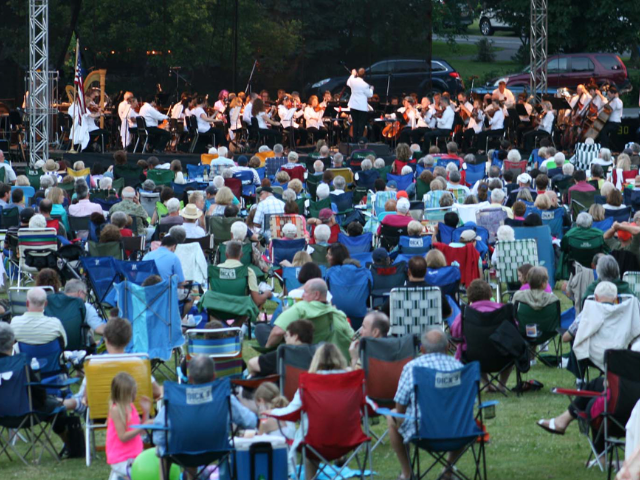
Open-Air Festivals
Outdoor performances create excitement that indoor venues cannot replicate.
Without walls, sound behaves differently.
Engineers must compensate for:
- Wind
- Temperature
- Humidity
- Open space
- Environmental noise
Advanced sound systems help distribute audio evenly across large audiences.
The atmosphere, however, extends beyond acoustics.
Sunsets, fresh air, city skylines, forests, or lakes become visual partners in the performance.
Nature as Part of the Concert
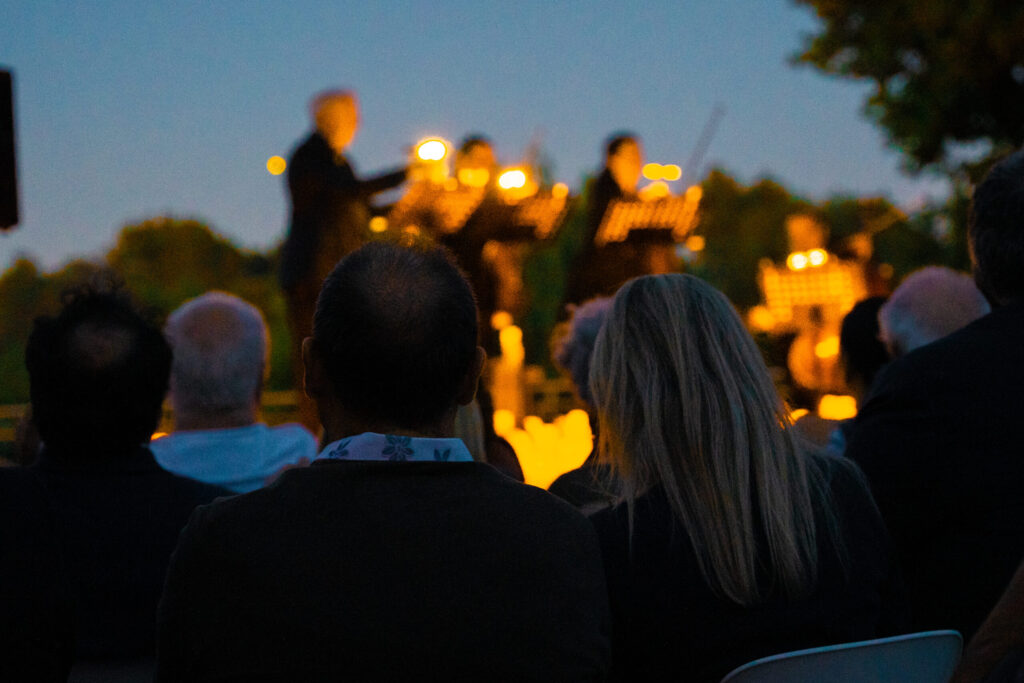
Performances held in parks, mountains, vineyards, or botanical gardens offer unique emotional experiences.
Natural surroundings encourage relaxed listening.
Birdsong, gentle wind, or changing light become subtle elements of the event.
Rather than competing with nature, many performances embrace it.
Audience Psychology
The venue influences not only sound but also audience behavior.
In formal concert halls:
- People listen quietly.
- Applause follows tradition.
- Attention remains highly focused.
At festivals:
- Audiences move freely.
- Dancing is encouraged.
- Social interaction becomes part of the experience.
Neither approach is superior.
Each creates a different relationship between performers and listeners.
Lighting and Visual Atmosphere
Lighting changes emotional perception.
Warm lighting often creates intimacy.
Bright theatrical lighting builds excitement.
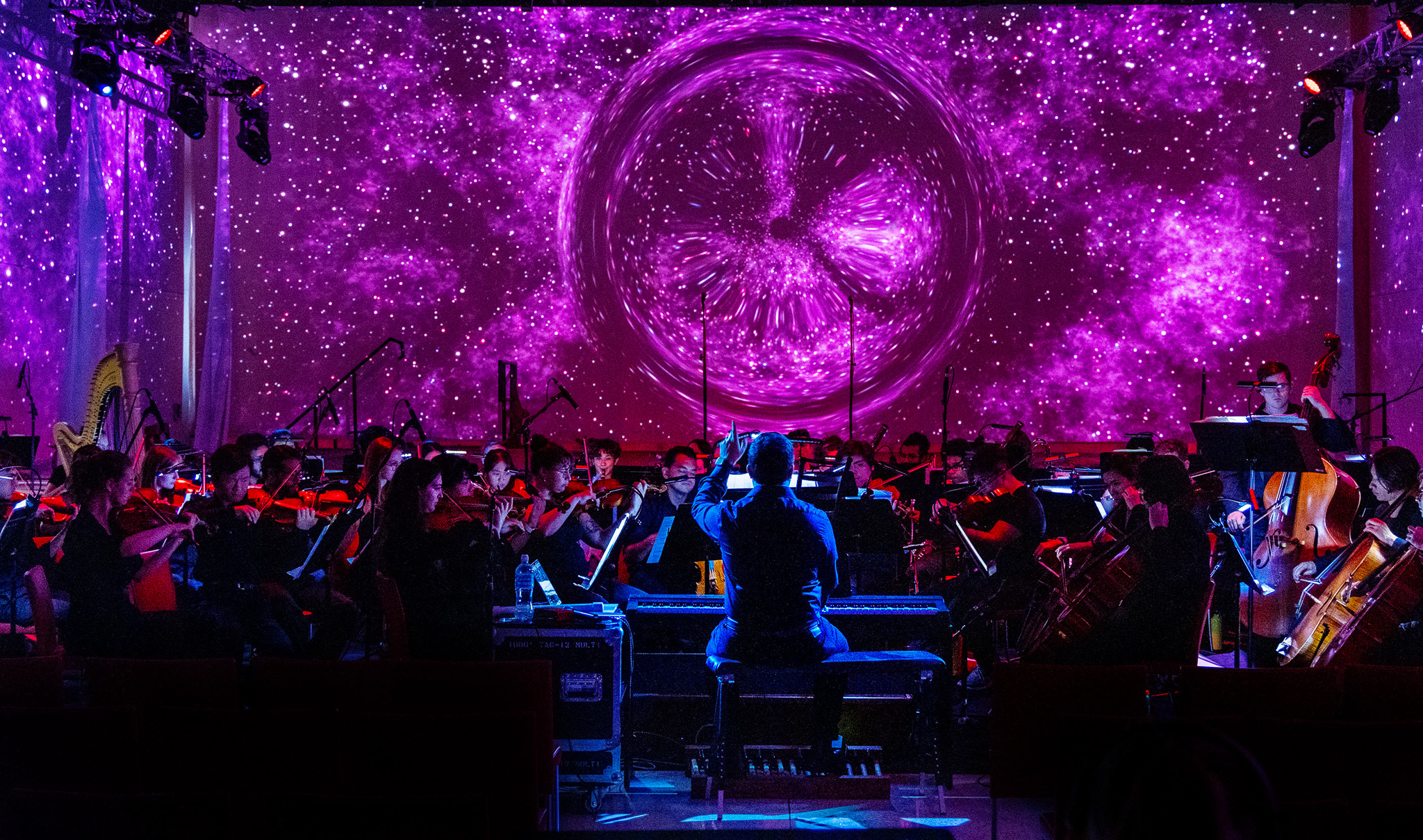
Colored lighting transforms contemporary performances into immersive visual experiences.
The audience responds emotionally before a single note is played.
How Venues Shape Performance
Musicians also adapt to different spaces.
A solo pianist may play more delicately in a cathedral.
An orchestra may adjust tempo to accommodate longer reverberation.
Jazz musicians often interact more spontaneously in intimate clubs.
Performers constantly respond to their surroundings.
Choosing the Right Venue
Successful event organizers match music to architecture.
Examples include:
Sacred Music
Best suited to:
- Churches
- Cathedrals
Chamber Music
Ideal for:
- Small halls
- Historic mansions
- Museums
Symphony Orchestra
Best experienced in:
- Concert halls
- Large theaters
Popular Music Festivals
Perfect for:
- Parks
- Stadiums
- Open-air venues
The venue reinforces the artistic concept.
The Emotional Memory of Place
Years after attending a concert, people often remember not only the music but also the location.
They remember:
- The ancient stone walls
- The evening breeze
- Candlelight
- The echo beneath vaulted ceilings
- The stars above an outdoor stage
These memories become inseparable from the music itself.
Final Thoughts
Music is never experienced through sound alone. Every performance is shaped by the space in which it unfolds, and every venue adds its own voice to the artistic experience. Architecture influences acoustics, atmosphere affects emotion, and the surrounding environment changes the way audiences connect with performers.
Whether listening to a string quartet beneath the vaulted ceilings of a centuries-old cathedral, enjoying a symphony in a world-class concert hall, or dancing under the open sky at a summer festival, the setting becomes part of the performance itself.
Great musicians understand this relationship, and great event organizers embrace it. By choosing venues that complement the music rather than simply accommodate it, they create experiences that audiences remember not only for what they heard, but for what they felt. In the end, the most unforgettable concerts are those where music and place become one.
Related Posts
Behind the Festival: How a Large-Scale Music Event Comes to Life
An inside look at the months of preparation hidden behind every successful music festival—from artist…
Five Minutes Before the Orchestra Takes the Stage: What Happens Behind the Curtain?
Discover the hidden world backstage just moments before a live performance—from final instrument tuning and…